
A Different Kind of Korean Experience
For American, British, Australian, and European students coming to Korea, the country's ultra-modern surface is only half the story. Somewhere between the neon glow of Gangnam and the bass drop of a Hongdae club, there exists another Korea entirely. A Korea of mountain temples, incense smoke, and 1,500-year-old meditation traditions. A Korea where the daily schedule begins at 3:30 AM with the sound of a wooden moktak and ends at 9 PM with the last bell of the evening.
Most international students come to Korea for K-pop, K-drama, technology, and modern culture. But the students who venture into Korea's traditional cultural experiences — temple stays, traditional crafts, tea ceremonies, martial arts — consistently describe these as the most transformative part of their time in the country.
This is not about religion. Temple stay programs in Korea welcome people of all faiths and no faith. They are cultural immersion programs that happen to be hosted in Buddhist temples, and they offer something that modern Seoul cannot: silence, slowness, and a direct connection to the philosophical traditions that shaped Korean society.
This guide covers the full spectrum of traditional Korean cultural experiences available to international students — from overnight temple stays to martial arts training, traditional crafts, and historical site programs.
Looking for unique experiences beyond the classroom? admissions.kr/living has a full guide to cultural life in Korea for international students.
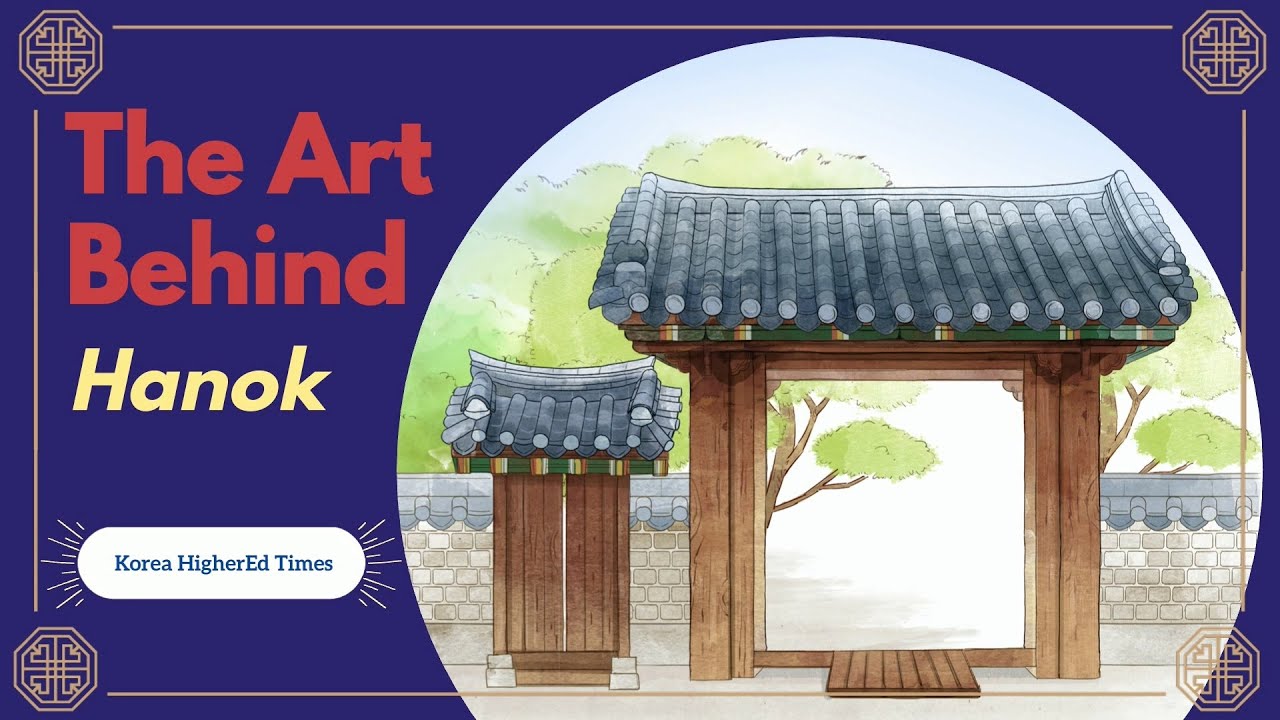 Watch on YouTube: The Art Behind Hanok — Traditional Korean House — Korea Higher Education Times
Temple Stay (템플스테이): Korea's Most Unique Cultural Program
What Is Temple Stay?
Temple Stay is a program operated by the Jogye Order of Korean Buddhism that allows visitors to live temporarily in a functioning Buddhist temple. You eat, sleep, meditate, and participate in daily temple routines alongside monks. Korea has over 130 temples registered with the Temple Stay program, ranging from small mountain hermitages to major temple complexes.
The program was originally created in 2002 for the FIFA World Cup to showcase Korean Buddhist culture to international visitors. It was so popular that it became permanent, and today it hosts over 300,000 participants annually — about 30% of whom are international visitors.
What to Expect
A typical temple stay follows this schedule:
Day 1 (Afternoon arrival)
| Time | Activity |
|---|---|
| 14:00-15:00 | Arrival, registration, temple tour |
| 15:00-16:00 | Change into temple clothing (loose gray or brown robes) |
| 16:00-17:00 | Temple etiquette orientation |
| 17:00-18:00 | Evening chanting service (예불) |
| 18:00-19:00 | Temple dinner (formal meditative eating — 발우공양) |
| 19:00-20:30 | Evening meditation or tea time with a monk |
| 21:00 | Lights out |
Day 2 (Full day)
| Time | Activity |
|---|---|
| 3:30 | Wake-up bell |
| 4:00-5:00 | Morning chanting and prostrations (108 bows) |
| 5:00-6:00 | Walking meditation through temple grounds |
| 6:00-7:00 | Breakfast (temple food — vegan, no garlic or onion) |
| 7:00-9:00 | Zen meditation (좌선) instruction and practice |
| 9:00-11:00 | Cultural activity (lantern making, tea ceremony, calligraphy) |
| 11:30-12:30 | Lunch |
| 12:30-14:00 | Mountain hiking or free time |
| 14:00-15:00 | Closing ceremony, feedback sharing |
| 15:00 | Departure |
Top Temple Stay Programs for International Students
Haeinsa Temple (해인사) — Hapcheon, Gyeongnam Home to the Tripitaka Koreana (UNESCO World Heritage), this is Korea's most historically significant temple. The temple stay program here is exceptionally well-organized for international visitors, with English-speaking guides and translated materials. Nestled in Gayasan National Park, the surrounding mountain scenery is breathtaking.
- Duration: 1 night/2 days or 2 nights/3 days
- Cost: ₩70,000-100,000
- English support: Excellent
- Difficulty: Moderate (mountain location requires some walking)
Golgulsa Temple (골굴사) — Gyeongju The martial arts temple. Golgulsa is famous for Sunmudo (선무도), a Korean Buddhist martial art that combines meditation with physical practice. The temple stay includes Sunmudo training sessions, making it one of the most physically engaging options.
- Duration: 1 night/2 days to 1 week (intensive martial arts programs)
- Cost: ₩70,000 (2 days) to ₩350,000 (1 week)
- English support: Good
- Unique feature: Sunmudo martial arts training
Bongeunsa Temple (봉은사) — Gangnam, Seoul The most accessible temple stay for students based in Seoul. Located literally across the street from COEX Mall in Gangnam, Bongeunsa offers the surreal experience of monastic life in the middle of Korea's most modern neighborhood. You fall asleep to temple bells and wake up to the sound of the 3:30 AM moktak while skyscrapers glitter outside your window.
- Duration: 1 night/2 days
- Cost: ₩50,000-70,000
- English support: Excellent (regular English-only programs)
- Best for: First-timers who want easy access from Seoul
Woljeongsa Temple (월정사) — Pyeongchang, Gangwon Set among towering pine forests in the Odaesan mountain area (near the 2018 Winter Olympics site), Woljeongsa is considered one of Korea's most beautiful temples. The thousand-year-old stone pagoda and pine tree path are iconic. The temple stay program emphasizes meditation and nature connection.
- Duration: 1 night/2 days to 3 nights/4 days
- Cost: ₩70,000-150,000
- English support: Moderate
- Best for: Nature lovers and serious meditation practitioners
Beomeosa Temple (범어사) — Busan Busan's most famous temple, located on the slopes of Geumjeongsan Mountain. The hike to the temple through ancient forest is part of the experience. Beomeosa's temple stay is popular with international students at Busan universities.
- Duration: 1 night/2 days
- Cost: ₩60,000-80,000
- English support: Good
- Best for: Students based in Busan
How to Book
All temple stays can be booked through the official website: templestay.com (available in English, Japanese, and Chinese). You can also book by calling individual temples directly.
Booking tips:
- Book 2-4 weeks in advance, especially for popular temples during peak seasons (spring/autumn)
- Weekend programs fill up faster than weekday options
- Some temples offer special "International Temple Stay" programs with English-speaking facilitators — look for these specifically
- Solo travelers are welcome; you will be grouped with other participants
- Couples and families are accepted at most temples
What to Bring
- Comfortable clothes for meditation (loose pants, layers)
- Warm socks (temple floors are cold)
- Toiletries (basic ones provided, but bring your own preferences)
- A journal (many people find the silence inspiring)
- An open mind (the most important item)
What Not to Bring
- Alcohol (strictly forbidden)
- Meat products (temple food is entirely vegan)
- Loud electronic devices (phones should be on silent)
- Heavy perfume or cologne (temples value simplicity)
- Expectations of luxury (temple rooms are simple — heated floors, thin mattresses)

Traditional Korean Crafts
Ceramics and Pottery (도자기)
Korean ceramics have a 5,000-year history, and the celadon pottery of the Goryeo dynasty (918-1392) is considered among the finest ceramics ever produced. Several programs let you try your hand at traditional Korean pottery.
Icheon Ceramics Village (이천 도자기마을) Icheon, about 1 hour south of Seoul, is Korea's ceramics capital. The village hosts dozens of studios where you can learn wheel-throwing, hand-building, and celadon glazing techniques. Some studios offer 1-day workshops; others have week-long intensive programs.
- Duration: 2-hour workshop to 1-week intensive
- Cost: ₩30,000-300,000
- What you make: Your own ceramic cup, bowl, or plate (fired and shipped to you)
- Festival: Icheon Ceramics Festival (April-May) — free demonstrations and workshops
Gyeonggi Ceramic Museum (경기도자박물관) Combines museum education with hands-on workshops. The museum's collection of historic Korean ceramics provides context for your own creative work.
- Duration: 2-3 hours
- Cost: ₩15,000-30,000
Hanbok Making and Wearing (한복)
Hanbok (traditional Korean clothing) is experiencing a massive revival among young Koreans, and several programs let international visitors learn about and wear traditional dress.
Hanbok Experience Centers (Multiple Seoul Locations) Rental shops near Gyeongbokgung and Bukchon offer hanbok rental with professional dressing (you cannot put on a traditional hanbok alone — the layering and tying technique requires help). Walking through the palace grounds in hanbok earns you free admission to all five royal palaces.
- Duration: 2-4 hour rental
- Cost: ₩15,000-40,000 (basic to premium styles)
- Photo tip: Wear hanbok during golden hour (late afternoon) at Gyeongbokgung for stunning photos
Hanbok Design Workshops For deeper engagement, several fashion studios offer workshops where you learn about hanbok construction, fabric selection, and the cultural significance of different colors and patterns.
- Location: Insadong, Bukchon area
- Duration: Half-day
- Cost: ₩50,000-80,000
Korean Paper Craft — Hanji (한지)
Hanji (traditional Korean paper made from mulberry bark) is one of the world's most durable papers — some hanji documents have survived over 1,000 years. Workshops teach you to make hanji from raw bark and create traditional crafts.
Jeonju Hanji Center Jeonju is Korea's hanji capital. The center offers workshops ranging from basic paper-making to advanced hanji craft (lanterns, fans, boxes).
- Duration: 1-3 hours
- Cost: ₩20,000-50,000
- What you make: Your own sheet of hanji + a craft item
Tea Ceremony (다도)
Korean tea culture predates Japanese and Chinese tea ceremony traditions that Westerners are more familiar with, and it has a distinct character — more meditative, less ritualistic, focused on the relationship between the tea maker and the tea drinker.
Where to Experience Korean Tea Ceremony
Insadong Tea Houses Insadong, Seoul's traditional culture street, has dozens of traditional tea houses where you can experience proper Korean tea service. Many offer informal ceremony experiences where the tea master explains the tradition while you drink.
- Cost: ₩10,000-25,000 for tea service + explanation
- Duration: 30-60 minutes
Boseong Green Tea Plantation (보성녹차밭) Boseong in Jeollanam-do is Korea's most famous tea-growing region. The terraced green tea fields are stunning, and several plantations offer full ceremony experiences — from picking tea leaves to roasting, brewing, and drinking.
- How to get there: Bus from Gwangju (1 hour)
- Cost: ₩10,000-30,000
- Duration: Half day to full day
Temple Tea Ceremonies Many temple stay programs include a tea ceremony with a monk. This is often cited as the most memorable part of the temple stay — sitting quietly with a Buddhist monk, sharing tea, and asking questions about life, philosophy, or Korean culture.
Martial Arts (무술)
Taekwondo (태권도)
Taekwondo is Korea's national martial art, an Olympic sport, and one of the most practiced martial arts in the world. Korea offers programs at every level, from casual tourist experiences to serious training.
Kukkiwon World Taekwondo Headquarters (국기원) — Seoul The world headquarters of taekwondo offers short-term training programs for international visitors. You train in the same facility where international competitions are held.
- Duration: 1-day experience to 2-week intensive
- Cost: ₩50,000 (1 day) to ₩500,000 (2 weeks)
- Certificate: Official Kukkiwon completion certificate
Muju Taekwondo Park (무주태권도원) — Muju, Jeonbuk Korea's purpose-built taekwondo training center, located in the mountains of Jeonbuk province. Offers residential training programs with accommodation, meals, and intensive daily training.
- Duration: 3 days to 2 weeks
- Cost: ₩200,000-800,000 (all-inclusive)
- Accommodation: On-site dormitories
- Best for: Serious martial arts enthusiasts
Hapkido (합기도)
Hapkido (Korean martial art focused on joint locks, throws, and self-defense) is less famous internationally than taekwondo but equally fascinating. Several Seoul dojangs (training halls) accept international visitors for short-term training.
Ssireum (씨름) — Korean Traditional Wrestling
Ssireum is Korea's traditional wrestling sport, recently inscribed as UNESCO Intangible Cultural Heritage. Experience programs are available at cultural festivals and some folk villages.
DMZ (Demilitarized Zone) Tours
No cultural experience in Korea is complete without understanding the division of the Korean Peninsula. The DMZ — the 4km-wide buffer zone between North and South Korea — is one of the most historically significant places on Earth.
Tour Options
JSA (Joint Security Area) Tour Visit the actual conference room that straddles the border between North and South Korea. Stand on North Korean soil (technically). Hear the story of the division from military personnel. This tour requires advance booking and passport information.
- Duration: Full day (includes transport from Seoul)
- Cost: ₩100,000-130,000
- Requirements: Passport, appropriate clothing (no flip-flops, tank tops), advance booking 3+ days
- Restrictions: Citizens of some countries may face limitations; check with tour operators
DMZ Peace Train Take the train from Seoul to Dorasan Station — the last station before North Korea. The station, built for eventual reunification, is a powerful symbol of hope.
- Duration: Half day
- Cost: ₩50,000-80,000
Imjingak Park (임진각) A free park near the DMZ with memorials, the "Bridge of Freedom," and exhibitions about Korean reunification. No tour required — you can visit independently by train from Seoul.
- Cost: Free (transport only)
- How to get there: Gyeongui Line train to Imjingang Station
Royal Palace Programs (궁궐 체험)
Seoul's five royal palaces offer cultural programs that let you step into the Joseon Dynasty (1392-1897):
Gyeongbokgung Palace (경복궁)
- Changing of the Guard: Daily ceremony at the main gate (10:00, 14:00). Free to watch.
- Night Palace Tours: Special evening openings in spring and autumn with traditional lantern lighting. Tickets sell out within minutes — book on the Korea Cultural Heritage website.
- Hanbok Free Admission: Wear hanbok and enter all five palaces for free.
Changdeokgung Palace (창덕궁)
- Secret Garden Tour (후원): The palace's famous garden requires a guided tour (Korean or English options). Limited to 50 people per session. ₩5,000.
- Moonlight Tour (달빛기행): Seasonal evening tour through the garden with traditional music performances. Extremely popular — lottery-based ticketing.
Deoksugung Palace (덕수궁)
- Stone Wall Road (돌담길): The famous stone wall path outside the palace is one of Seoul's most romantic walks.
- Traditional Music Performances: Free traditional Korean music concerts in the palace courtyard (check schedule at deoksugung.go.kr).
Royal Palace Passport Program
Purchase a combined ticket (₩10,000) that grants access to all five palaces within 3 months. Visit them all for a comprehensive understanding of Joseon royal culture.
Practical Information for International Students
Cost Summary
| Experience | Duration | Typical Cost | Value Rating |
|---|---|---|---|
| Temple stay | 1 night/2 days | ₩50,000-100,000 | Exceptional |
| Ceramics workshop | 2 hours | ₩30,000-50,000 | Good |
| Hanbok rental + palace | 3-4 hours | ₩15,000-40,000 | Excellent |
| Tea ceremony | 1 hour | ₩10,000-25,000 | Excellent |
| Taekwondo experience | 1 day | ₩50,000 | Good |
| DMZ tour | Full day | ₩50,000-130,000 | Essential |
| Cooking class (temple food) | 2-3 hours | ₩30,000-60,000 | Good |
| Royal palace (all five) | 3 months pass | ₩10,000 | Exceptional |
Seasonal Recommendations
- Spring (March-May): Cherry blossom temple stays, palace night tours, ceramics festival
- Summer (June-August): Mountain temple retreats (cool escape), Sunmudo training, lantern festival
- Autumn (September-November): Foliage temple stays (peak beauty), harvest festivals, tea harvest
- Winter (December-February): Temple meditation retreats, palace snow scenes, New Year temple bells
Booking Resources
- Temple Stay: templestay.com (official, English available)
- Cultural programs: visitkorea.or.kr (Korea Tourism Organization)
- Royal palaces: heritage.go.kr (Cultural Heritage Administration)
- Taekwondo: kukkiwon.or.kr
- Cooking/crafts: Klook, Trazy, KKday (aggregator platforms with reviews)
Why Traditional Culture Matters for Your Korea Experience
Modern Korea is built on top of traditional Korea, not in replacement of it. The Confucian values that shape Korean business culture (hierarchy, respect, group harmony) make more sense after you have experienced them in a temple setting. The aesthetic principles behind K-beauty (natural ingredients, simplicity, harmony) connect directly to Korean tea culture and temple food philosophy. The discipline behind K-pop training has roots in martial arts tradition.
Understanding traditional Korean culture is not a detour from your Korean experience — it is the foundation that makes everything else make sense.
Need personalized advice? Chat with Dr. Admissions → to find programs that combine cultural immersion with academic study. Browse our university rankings to compare schools, and search Korean universities to find the best traditional culture experiences near your campus.
This guide is part of the admissions.kr Western Student Resource Series. For more guides on studying in Korea, visit our blog.
Our AI advisor can help you with any questions about universities, visas, scholarships, and more.
Chat with AI Advisor

