
Korea Is Small Enough to Weekend-Trip Everywhere
One of the best-kept secrets about studying in Korea is the country's size. South Korea is roughly the size of Indiana or Portugal. The entire country, north to south, is a 2.5-hour KTX ride. Every major city, every beach, every mountain, every island is a weekend trip from Seoul — and most are reachable for under ₩100,000 round trip.
This changes the equation of studying abroad. In the US or Australia, you might see one or two cities outside your university town during an entire semester. In Korea, you can visit a new destination every weekend for an entire semester and still not see everything.
The key is knowing where to go, how to get there cheaply, and what to prioritize. This guide is built by and for exchange students — the practical, budget-conscious version of a Korea travel guide that skips the luxury hotel recommendations and focuses on ₩50,000-a-day adventures.
New to Korea? Start with our short-term visit guide for essential practical information. Already a student? Read on for the weekend trip playbook.
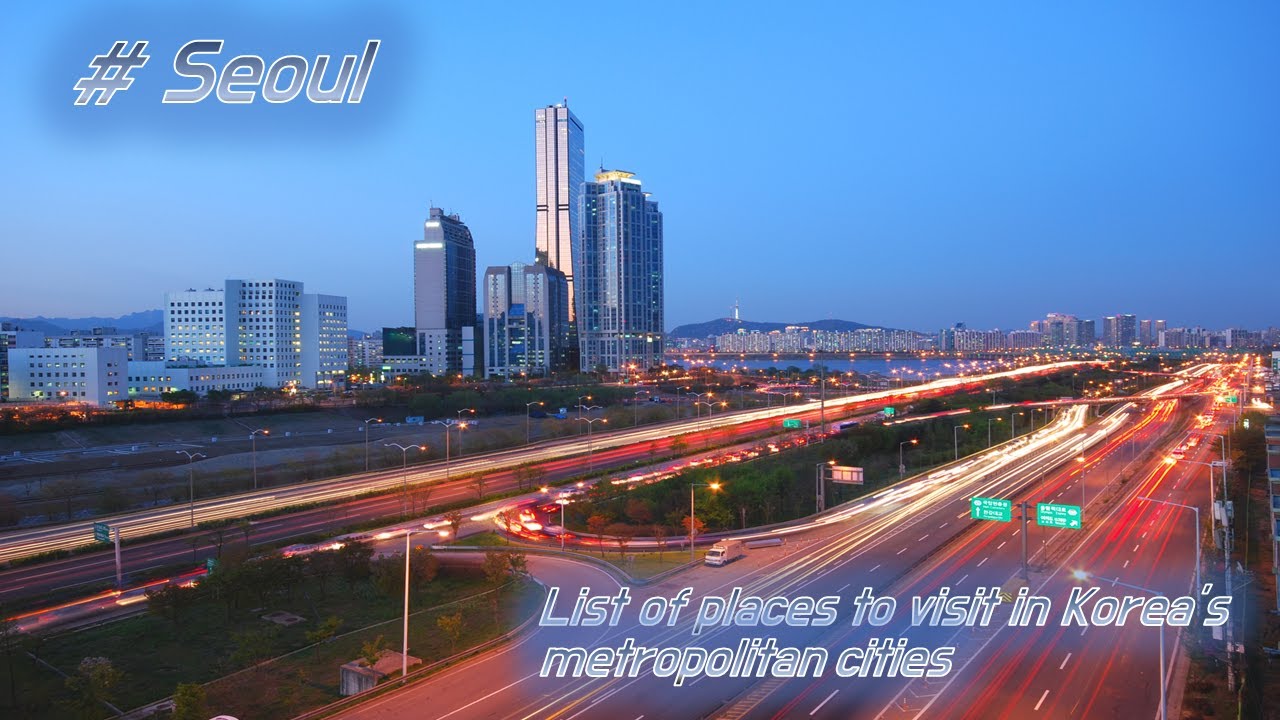 Watch on YouTube: Places to visit — Seoul — Korea Higher Education Times
The Budget Toolkit: Essential Money-Saving Tools
Before we talk about destinations, let us set up the tools that will save you thousands of won on every trip.
1. KTX Youth Pass / Rail Pass
The Korail Pass is designed for foreign tourists and offers unlimited KTX travel for set periods:
| Pass Type | Duration | Cost | Per-Day Cost |
|---|---|---|---|
| Consecutive 2 days | 48 hours | ₩121,000 | ₩60,500 |
| Consecutive 3 days | 72 hours | ₩138,000 | ₩46,000 |
| Consecutive 4 days | 96 hours | ₩185,000 | ₩46,250 |
| Flexible 2 days | Within 10 days | ₩121,000 | ₩60,500 |
| Flexible 4 days | Within 10 days | ₩193,000 | ₩48,250 |
When it saves money: A single Seoul-Busan round trip costs ~₩120,000. If you plan to make two or more long-distance trips, the Korail Pass pays for itself.
Where to buy: letskorail.com (online) or major train stations. You need your passport to purchase.
Alternative: ITX/Mugunghwa trains. If the KTX is too expensive for a single trip, slower trains (ITX-Saemaeul and Mugunghwa) cover the same routes at 40-60% lower prices. Seoul to Busan on the Mugunghwa costs ~₩28,000 (takes 5.5 hours instead of 2.5).
2. Express Bus (고속버스) — The Real Budget Option
Korean express buses are clean, comfortable, and significantly cheaper than KTX. The network covers every city and many smaller towns that trains do not reach.
| Route | Bus Cost | KTX Cost | Saving |
|---|---|---|---|
| Seoul → Busan | ₩23,000-34,000 | ₩59,800 | 43-62% |
| Seoul → Jeonju | ₩13,000-18,000 | ₩33,500 | 46-61% |
| Seoul → Sokcho | ₩15,000-22,000 | No KTX | — |
| Seoul → Gyeongju | ₩22,000-33,000 | ₩46,800 | 30-53% |
| Seoul → Gwangju | ₩16,000-24,000 | ₩43,500 | 45-63% |
Where to book: kobus.co.kr or txbus.t-money.co.kr (English available). You can also buy tickets at bus terminal kiosks.
Tip: Night buses (심야버스) on popular routes like Seoul-Busan leave around 11 PM and arrive at 4-5 AM. You save on one night of accommodation and travel while sleeping.
3. Accommodation Hacks
| Type | Cost/Night | Where to Find | Best For |
|---|---|---|---|
| Jjimjilbang (찜질방) | ₩10,000-15,000 | Walk-in (no booking needed) | Single nights, budget |
| Hostel dorm | ₩15,000-25,000 | Booking.com, Hostelworld | Social, multi-night |
| Love motel (모텔) | ₩30,000-50,000 | Walk-in or Yanolja app | Private room, weekend |
| Guesthouse | ₩30,000-50,000 | Airbnb, Booking.com | Local vibe |
| Airbnb | ₩40,000-80,000 | Airbnb (split with friends) | Groups, cooking |
The jjimjilbang strategy: Korean sauna complexes (찜질방) are a cultural experience AND budget accommodation. For ₩10,000-15,000, you get a hot bath, sauna, sleeping space (communal floor with mats and blankets), and sometimes a basic breakfast. Major jjimjilbangs like Dragon Hill Spa in Yongsan, Seoul are open 24 hours and have rest areas, cafeterias, and entertainment.
The love motel strategy: Despite the name, Korean motels (모텔) are perfectly legitimate budget accommodation for travelers. They are found near every bus terminal and train station, offer clean private rooms with en-suite bathrooms, and cost ₩30,000-50,000 per night. Use the Yanolja or Goodchoice apps for discounted rates.
4. Food Budget
Eating well in Korea on a budget is easy because Korean food is inherently affordable. Street food, convenience store meals, and university cafeterias keep costs down:
| Meal Type | Cost | Examples |
|---|---|---|
| Convenience store meal | ₩3,000-5,000 | Kimbap, ramyeon, sandwich |
| Street food | ₩2,000-5,000 | Tteokbokki, hotteok, mandu |
| University cafeteria | ₩4,000-6,000 | Full meal with soup, rice, banchan |
| Local restaurant (백반) | ₩7,000-10,000 | Home-style meal with side dishes |
| Korean BBQ | ₩12,000-18,000/person | Samgyeopsal, galbi (worth splurging) |
Budget daily food cost: ₩20,000-30,000 (if you eat like a local, not a tourist)

The 10 Best Weekend Trips from Seoul
1. Busan — The Essential Trip
Distance: 2.5 hours (KTX) or 4-5 hours (bus) Budget: ₩150,000-250,000 for a weekend (transport + 1 night + food + activities)
Busan is Korea's second city and the trip every exchange student must make. Coastal vibes, incredible seafood, colorful neighborhoods, and a completely different energy from Seoul.
Must-Do:
- Haeundae Beach: Korea's most famous beach. Walk the Marine City skyline boardwalk at night.
- Gamcheon Culture Village: Pastel-colored hillside village with art installations, cafes, and panoramic views. Korea's most Instagram-worthy neighborhood.
- Jagalchi Fish Market: The largest fish market in Korea. Get sashimi (회) on the second floor — the freshest you will ever eat.
- Haedong Yonggungsa Temple: A stunning temple built directly on ocean cliffs.
- Gwangalli Beach: Evening view of the illuminated Gwangan Bridge is spectacular.
- Gukje International Market: Street food heaven — eat your way through.
Where to stay: Seomyeon neighborhood (budget-friendly, great nightlife, central location). Hostels from ₩15,000/night.
2. Gyeongju — The Museum Without Walls
Distance: 2 hours (KTX to Singyeongju) + 20 min bus, or 4 hours (express bus direct) Budget: ₩100,000-180,000 for a day trip or overnight
Korea's ancient capital for nearly 1,000 years (the Silla Kingdom, 57 BC - 935 AD). Walking through Gyeongju is like walking through an outdoor museum — royal tombs, Buddhist temples, and archaeological sites are literally everywhere.
Must-Do:
- Bulguksa Temple: UNESCO World Heritage. One of Korea's most beautiful temples.
- Seokguram Grotto: UNESCO World Heritage. A mountaintop Buddha statue with ocean views.
- Tumuli Park (Daereungwon): Walk among massive grass-covered royal burial mounds in the center of town.
- Cheomseongdae: The oldest surviving astronomical observatory in East Asia (7th century).
- Gyeongju National Museum: Free entry. World-class collection of Silla artifacts.
- Rent a bicycle: Gyeongju is flat and bike-friendly. Most sites are within cycling distance. Rental ₩5,000-10,000/day.
Pro tip: Combine with a Busan trip — Gyeongju is only 1 hour from Busan by bus.
3. Jeonju — Korea's Food Capital
Distance: 1.5 hours (KTX) or 2.5 hours (bus) Budget: ₩100,000-150,000 for a weekend
If you love Korean food — and you should — Jeonju is a pilgrimage. The city is UNESCO-recognized for its food culture, and it shows. The bibimbap here (전주비빔밥) is the original, and everything from street food to fine dining is elevated.
Must-Do:
- Jeonju Hanok Village: Over 700 traditional houses, now filled with restaurants, cafes, shops, and cultural experiences. Spend a full day wandering.
- Jeonju Bibimbap: Eat it at a traditional restaurant. The difference from Seoul bibimbap is significant — more ingredients, better rice, proper presentation.
- Makgeolli Town (막걸리 골목): A street of traditional rice wine bars. Each order of makgeolli comes with an absurd number of free side dishes. ₩5,000 per kettle.
- Hanji Paper Workshop: Make your own traditional Korean paper. ₩20,000.
- Hanbok Rental: Wear traditional clothes and walk through the Hanok Village. ₩15,000.
Where to eat: Honestly, everywhere in the Hanok Village. Start with the kongnamul (bean sprout) gukbap — Jeonju's signature comfort food.
4. Sokcho & Seoraksan — Mountain Majesty
Distance: 2.5-3 hours (express bus from Dong Seoul Terminal) Budget: ₩120,000-200,000 for a weekend
Sokcho is a small coastal city on Korea's east coast, and it is the gateway to Seoraksan National Park — considered Korea's most beautiful mountain. The combination of dramatic peaks, autumn foliage (October), fresh seafood, and small-town charm makes this a favorite among Korean hikers and international students alike.
Must-Do:
- Seoraksan National Park: Hike to Ulsanbawi Rock (6 hours round trip, 808 steps to the summit) for panoramic views. Or take the Gwongeumseong cable car for an easier route.
- Sokcho Jungang Market: Local market with amazing seafood. Try the sundae (Korean blood sausage) and dak-gangjeong (sweet crispy fried chicken).
- Naksan Beach: Beautiful east coast beach, less crowded than Busan.
- Abai Village: A fishing village accessible by hand-pulled ferry (₩200). Famous for abai sundae and ojingeo sundae (squid sausage).
Best season: October (autumn foliage at Seoraksan is legendary). Book accommodation well in advance for October weekends.
5. Jeju Island — Korea's Hawaii
Distance: 1 hour flight from Gimpo Airport (~₩60,000-100,000 round trip budget airlines) Budget: ₩250,000-400,000 for a 2-3 day trip
Jeju is Korea's tropical island — volcanic landscapes, tangerine orchards, beach-front cafes, and a distinct local culture. It is also a visa-free zone, meaning visitors from many countries can enter Jeju without the K-ETA required for mainland Korea.
Must-Do:
- Hallasan Mountain: Korea's highest peak (1,950m). The Seongpanak trail is the most popular route (8-9 hours round trip).
- Manjanggul Lava Tube: Walk through a 7km volcanic lava tunnel — one of the world's longest.
- Seongsan Ilchulbong (Sunrise Peak): UNESCO World Heritage. Hike to the crater rim for sunrise views.
- Jeju Olle Trail: Korea's most famous walking trail network. Do one or two sections (each 10-20km).
- Black pork BBQ (흑돼지): Jeju's specialty meat. Tastier and more expensive than mainland pork.
- Cafe culture: Jeju has some of Korea's most beautiful cafes, many with ocean views.
Getting around Jeju: Public buses exist but are infrequent. Rent a car (international license required, ₩30,000-50,000/day) or use the Kakao T taxi app. Alternatively, join organized day tours from Jeju City.
Pro tip: Budget airlines (T'way, Jin Air, Jeju Air) offer flights as low as ₩30,000 one way if booked 2-3 weeks in advance.
6. Andong — Traditional Korean Culture Hub
Distance: 2.5 hours (bus) or 2 hours (KTX to Andong) Budget: ₩80,000-150,000 for a weekend
Andong is the heartland of Korean Confucian culture. It feels like stepping back 500 years — traditional villages, mask dance festivals, and the most conservative cultural values in modern Korea. For students interested in Korean history and philosophy, Andong is essential.
Must-Do:
- Hahoe Folk Village: UNESCO World Heritage. A living village where residents still inhabit 600-year-old traditional houses.
- Andong Hahoe Mask Museum: Learn about Korea's mask dance tradition.
- Dosan Seowon: Korea's most famous Confucian academy, featured on the ₩1,000 bill.
- Andong Jjimdak (안동찜닭): Braised chicken with glass noodles — Andong's signature dish. A must-eat.
- Bongjeongsa Temple: One of Korea's oldest wooden buildings (7th century).
7. Damyang — Bamboo Forest Escape
Distance: 3 hours (bus from Seoul to Gwangju, then 40 min to Damyang) Budget: ₩100,000-150,000 for a weekend (combine with Gwangju)
Damyang is home to Juknokwon, Korea's most famous bamboo forest. The towering bamboo groves create a green canopy that filters sunlight into an ethereal, almost cinematic atmosphere. It is Korea's answer to Kyoto's Arashiyama — but without the crowds.
Must-Do:
- Juknokwon Bamboo Forest: Walk through 8 themed trails. ₩3,000 entry.
- Metasequoia Road: A tree-lined road that is stunning in every season, especially autumn.
- Damyang Tteok Galbi: Minced rib meat patties — Damyang's famous dish.
- Combine with Gwangju: Korea's democracy city, home to the May 18th Memorial and a vibrant arts scene.
8. Yeosu — Oceanfront Beauty
Distance: 2.5 hours (KTX) or 4 hours (bus) Budget: ₩150,000-250,000 for a weekend
Yeosu is a port city on the southern coast with stunning ocean views, fresh seafood, and a lively waterfront. It hosted the 2012 World Expo and has excellent infrastructure for visitors.
Must-Do:
- Yeosu Night Sea (여수 밤바다): Walk the waterfront promenade at night — it is famous enough to have a hit K-pop song about it.
- Odongdo Island: Connected by breakwater causeway. Camellias bloom in winter, making it uniquely beautiful.
- Hyangiram Temple: A cliffside temple facing the ocean. One of Korea's most dramatically situated temples.
- Fresh seafood: Yeosu is known for gejang (raw marinated crab) — try it if you are adventurous.
9. Chuncheon — The Romantic Getaway
Distance: 1.5 hours (ITX train from Yongsan Station) Budget: ₩60,000-100,000 for a day trip
Chuncheon is a lakeside city in Gangwon province, famous as the setting for the classic K-drama "Winter Sonata" and for dak-galbi (spicy stir-fried chicken). It is close enough to Seoul for a comfortable day trip.
Must-Do:
- Nami Island (남이섬): Tree-lined paths, K-drama filming location, cycling. ₩16,000 entry including ferry.
- Dak-galbi Alley (닭갈비 골목): Chuncheon's signature dish — spicy chicken stir-fried with vegetables on a huge iron plate. ₩10,000-12,000/person.
- Gangchon Rail Bike: Ride a pedal-powered rail car through tunnels and along the river. ₩30,000 for 2 people.
- Jade Garden: European-style botanical garden in the mountains. ₩10,000.
- Soyang Dam: Korea's largest rock-fill dam with lake cruise options.
10. Incheon Islands — Beach Hopping Near Seoul
Distance: 1-2 hours from Seoul (subway + ferry) Budget: ₩50,000-120,000 for a day trip
You do not need to fly to Jeju for island vibes. Incheon has dozens of islands accessible by short ferry rides, many with beautiful beaches and fresh seafood.
Best Islands:
- Muuido (무의도): The closest beach island to Seoul. 1 hour total travel time. Hanagae Beach is stunning.
- Deokjeokdo (덕적도): Larger island with multiple beaches, hiking trails, and camping. 1-hour ferry from Incheon.
- Yeongjongdo (영종도): Near the airport. Eurwangni Beach is popular for sunset views.
- Ganghwado (강화도): Not technically an island (bridge-connected), but has a distinct island feel with historical sites, mud flats, and temples.
The Semester Travel Calendar
Here is when to visit each destination for the best experience:
| Month | Best Destination | Why |
|---|---|---|
| March | Jeonju, Gyeongju | Spring flowers, cherry blossoms begin |
| April | Jinhae (near Busan), Seoul | Peak cherry blossom season |
| May | Damyang, Andong | Green season, comfortable weather |
| June | Busan, Yeosu | Beach season begins (before monsoon) |
| July | Jeju, Sokcho | Summer escape (pack rain gear for monsoon) |
| August | Busan beaches, Jeju | Peak summer |
| September | Gyeongju, Andong | Autumn begins, festivals |
| October | Seoraksan, any mountain area | Peak autumn foliage (Korea's best season) |
| November | Jeonju, Seoul | Late autumn, food festivals |
| December | Sokcho, ski resorts | Winter scenery, skiing season opens |
Money-Saving Tips from Real Exchange Students
"Buy KTX tickets 2 weeks in advance." Early-bird discounts of 10-20% are common on letskorail.com. Tuesday and Wednesday departures are cheapest.
"Always eat at university cafeterias." Even at universities you do not attend. Most campus cafeterias are open to the public and serve full meals for ₩4,000-6,000. The food is decent and it is the cheapest sit-down meal in any city.
"Travel with 3-4 friends and split costs." Accommodation (Airbnb, motel), taxis, and food all become dramatically cheaper per person when shared. A ₩80,000 motel room split four ways is ₩20,000 each.
"Use the jjimjilbang for overnight stays." ₩12,000 gets you a bath, sauna, sleeping space, and sometimes breakfast. Use this on one night of a two-night trip to cut accommodation costs in half.
"Convenience store breakfast, restaurant lunch, street food dinner." This meal pattern keeps daily food costs around ₩20,000 while still eating well.
"Book Jeju flights on Tuesday." Budget airline fares to Jeju are consistently lowest when booked on Tuesdays for Tuesday-Thursday travel.
"Get the Discover Seoul Pass if you are doing tourist things in Seoul." The 48-hour pass (₩55,000) covers 35+ attractions — if you hit 3-4 of them, it pays for itself.
A Model Semester Travel Plan
Assuming a 16-week semester with budget of ₩100,000-150,000 per weekend trip:
| Weekend | Destination | Transport | Estimated Cost |
|---|---|---|---|
| 1-2 | Seoul exploration (free) | Subway | ₩20,000 |
| 3 | Chuncheon + Nami Island | ITX train | ₩80,000 |
| 4 | Incheon Islands (Muuido) | Subway + ferry | ₩50,000 |
| 5 | Study / rest | — | — |
| 6-7 | Busan + Gyeongju (2 nights) | KTX or bus | ₩200,000-250,000 |
| 8 | Jeonju (1 night) | KTX or bus | ₩120,000 |
| 9 | Study / midterms | — | — |
| 10 | Andong (1 night) | Bus | ₩100,000 |
| 11-12 | Jeju Island (2 nights) | Budget flight | ₩300,000 |
| 13 | Sokcho + Seoraksan (1 night) | Bus | ₩150,000 |
| 14 | Yeosu (1 night) | KTX | ₩150,000 |
| 15 | Damyang + Gwangju (1 night) | Bus | ₩120,000 |
| 16 | Farewell Seoul tour | Subway | ₩30,000 |
Total semester travel budget: ₩1,200,000-1,400,000 ($900-1,050)
That is roughly $60-70 per weekend trip for an entire semester of travel across the country. Korea is one of the most affordable countries in the world for student travel.
Before You Go: Travel Checklist
- T-money card loaded (₩50,000+)
- Accommodation booked (or jjimjilbang located)
- Transport booked (KTX/bus)
- Essential apps installed (Kakao Map, Papago, Kakao T)
- Portable charger fully charged
- Light backpack (you will walk a lot)
- Cash backup (₩50,000-100,000)
- International student ID (some discounts available)
- Camera / phone storage cleared
- Friends recruited (more fun + cheaper per person)
Need personalized advice? Chat with Dr. Admissions → to plan your study and travel itinerary based on your interests and budget. Browse our university rankings and search Korean universities to find the right school for your exchange.
This guide is part of the admissions.kr Western Student Resource Series. For more guides on studying in Korea, visit our blog.
Our AI advisor can help you with any questions about universities, visas, scholarships, and more.
Chat with AI Advisor

