
The Most Popular Way to Live in Korea
Teaching English in Korea has been the gateway to Korean life for tens of thousands of Westerners over the past three decades. It's the most accessible visa category for native English speakers, requires relatively modest qualifications, and provides a salary that covers a comfortable lifestyle with savings potential.
But the teaching landscape in Korea has evolved significantly. The days of showing up with a bachelor's degree and immediately earning a premium salary are fading. Competition has increased, expectations have risen, and the industry has bifurcated into distinct pathways with very different experiences and outcomes.
This guide breaks down the main channels — EPIK (public schools), hagwon (private academies), and the now-discontinued TALK program (included for historical reference) — so you can make an informed decision about which path fits your goals, personality, and career plans.
Considering Korea for more than just teaching? Many teachers eventually pursue degrees at Korean universities. Explore our university rankings and scholarship options.
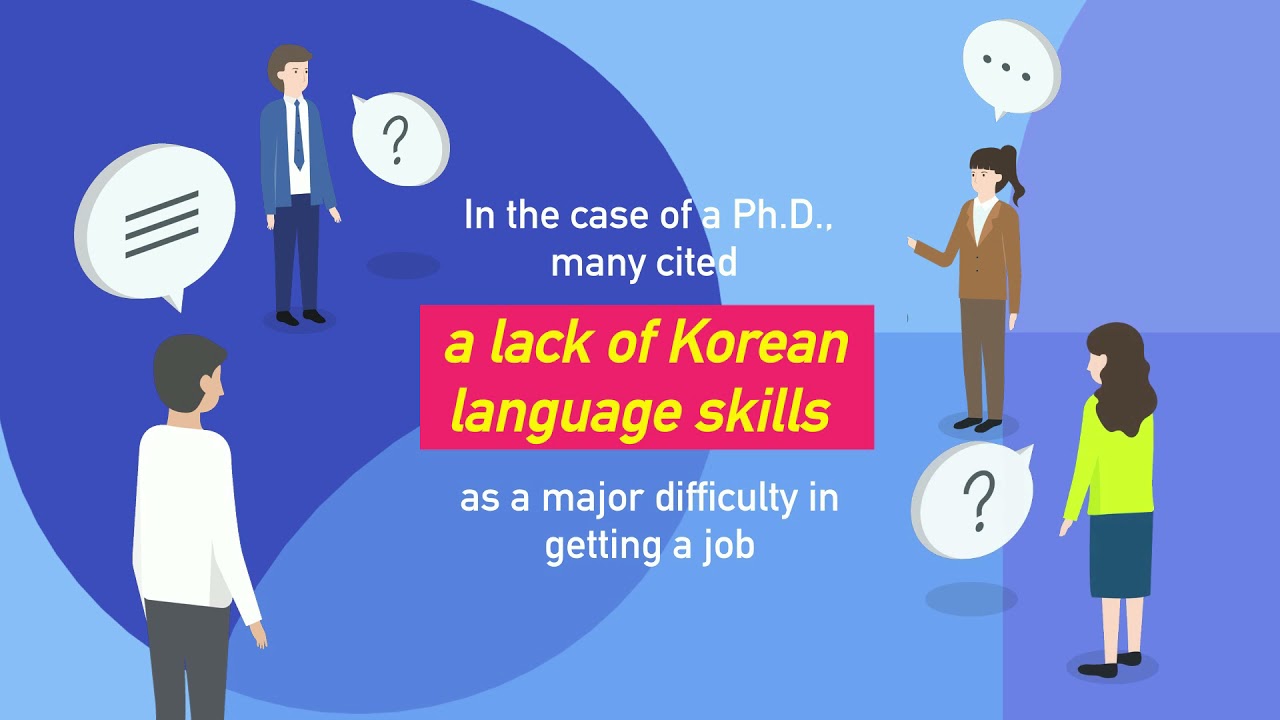 Watch on YouTube: Unemployment of International students with postgrad degree — Korea Higher Education Times
The Three Pathways at a Glance
| Factor | EPIK | TALK (Discontinued) | Hagwon |
|---|---|---|---|
| Full name | English Program in Korea | Teach and Learn in Korea | Private language academies |
| Employer | Korean government (MOE) | Korean government (NIIED) | Private business owners |
| School type | Public schools (elementary, middle, high) | Elementary/middle in rural areas | Private academies, all ages |
| Contract | 12 months (renewable) | 6 months (renewable to 12) | 12 months (renewable) |
| Monthly salary | ₩2,000,000–₩2,700,000 | ₩1,500,000–₩1,800,000 | ₩2,100,000–₩3,500,000+ |
| Housing | Provided (free apartment) | Provided (free) | Provided or ₩400K–₩600K allowance |
| Flight | Round-trip provided | One-way provided | Round-trip provided |
| Severance | 1 month salary | Prorated | 1 month salary |
| Vacation | 18–21 days | ~15 days | 10–14 days |
| Degree required | Bachelor's (any field) | Associate's or enrolled in Bachelor's | Bachelor's (any field) |
| TEFL required | 100-hour certificate | Not required | Preferred, not always required |
| Best for | Stability, cultural experience | No longer available (discontinued July 2021) | Higher salary, city living |
EPIK: English Program in Korea
What It Is
EPIK is the Korean government's flagship English teaching program, placing native English speakers in public elementary, middle, and high schools across the country. It's administered by the National Institute for International Education (NIIED) under the Ministry of Education.
Requirements
- Nationality: Citizens of one of the "Big 7" English-speaking countries — USA, UK, Canada, Australia, New Zealand, Ireland, South Africa
- Education: Bachelor's degree (any field) from an accredited university
- TEFL/TESOL/CELTA: 100+ hour certificate (online is accepted)
- Age: No official limit, but most applicants are 22–35
- Health: Must pass a health check (including drug test)
- Criminal record: Clean background check from your home country (apostilled)
- Experience: Not required, but teaching experience improves placement
Salary Scale (2026)
| Level | Monthly Salary (₩) | Requirements |
|---|---|---|
| Level 1 | ₩2,000,000 | Bachelor's degree + TEFL |
| Level 2 | ₩2,300,000 | + TEFL 200 hours or teaching license |
| Level 3 | ₩2,500,000 | + Master's in Education or related field |
| Level 4 | ₩2,700,000 | + 2+ years teaching experience abroad |
What's Included (Beyond Salary)
- Free apartment — furnished single studio near your school
- Round-trip airfare — reimbursed or booked by EPIK
- Severance pay — 1 month's salary upon completing your 12-month contract
- National pension — 4.5% contribution matched by government (refundable when you leave Korea for citizens of countries with pension agreements)
- Health insurance — 50% covered by employer
- 18–21 vacation days — plus Korean national holidays (about 15 additional days)
- Orientation — 1-week paid orientation in Korea before placement
Placement
You can state a preference for location, but EPIK assigns based on need:
- Seoul: Most competitive, fewer openings (Seoul has its own SMOE program)
- Metropolitan cities (Busan, Daegu, Incheon, Gwangju, Daejeon, Ulsan): Moderately competitive
- Provincial areas (Gyeonggi, Chungnam, Jeonbuk, etc.): Most positions available
- Rural schools: Smallest classes, most cultural immersion, but most isolated
Daily Life as an EPIK Teacher
- Teaching hours: 22 hours/week of actual teaching (the rest is desk time for lesson planning)
- Class size: 20–35 students
- Role: You're an assistant teacher working alongside a Korean co-teacher
- Curriculum: Provided by the school/district, but you'll adapt lessons
- After hours: Free — no obligations outside school hours (unlike hagwon)
- Desk warming: During vacations, you may need to be at school even without classes (a common frustration)
Pros
- Job security — Government-backed, contracts are honored
- Free housing — Saves ₩400,000–₩700,000/month
- Reasonable hours — Work ends at 4:30–5:00 PM, no evenings or weekends
- Vacation time — More than hagwon positions
- Cultural immersion — Especially in rural placements, you'll experience "real Korea"
- Support system — EPIK coordinators help with issues
- Co-teaching — You're not alone in the classroom; Korean teachers support you
- Public holidays — You get every Korean holiday off
Cons
- Lower salary than many hagwon positions
- Placement lottery — You might end up in a rural village far from Seoul
- Desk warming — Sitting at a desk during vacation periods with nothing to do
- Bureaucracy — It's a government program; paperwork is endless
- Limited career growth — The pay scale doesn't increase much after year 2
- Co-teacher dependent — A good co-teacher makes the job great; a bad one makes it miserable
- Slow application process — 3–6 months from application to arrival
How to Apply
- Online application: epik.go.kr — submit documents, essays, and lesson plan
- Phone/video interview: 20–30 minute interview with EPIK staff
- Document submission: Apostilled degree, background check, health check, TEFL certificate
- Wait for placement: 1–3 months after acceptance
- Orientation: 1 week in Korea before your assignment begins
Application windows: Spring intake (March start) and Fall intake (September start)
TALK: Teach and Learn in Korea (Discontinued)
Important Notice: The TALK program was discontinued in July 2021, with the last cohort of participants ending their contracts in January 2022. As of 2026, TALK is no longer accepting applications. The information below is preserved for historical reference. Former TALK participants can apply for EPIK or hagwon positions instead.
What It Was
TALK (Teach And Learn in Korea) was a government program similar to EPIK but with lower requirements and a focus on rural elementary and middle schools. It was designed as an entry-level pathway for younger or less-experienced candidates.
Requirements (Historical)
- Nationality: Same "Big 7" countries as EPIK
- Education: Minimum 2-year associate's degree, OR currently enrolled in a bachelor's program (at least 2 years completed)
- TEFL: Was NOT required (a major advantage over EPIK)
- Age: No official limit, but typically 20–30
- Health/Criminal: Same as EPIK
Salary and Benefits (Historical)
| Benefit | Details |
|---|---|
| Monthly salary | ₩1,500,000–₩1,800,000 |
| Housing | Provided (free) |
| Airfare | One-way flight reimbursed |
| Severance | Prorated amount |
| Health insurance | 50% covered |
| Vacation | ~15 days |
| Contract length | 6 months (renewable to 12) |
What Participants Did
- Assisted Korean teachers in elementary and middle school English classes
- Worked 15–20 teaching hours per week
- Focused on spoken English and pronunciation
- Participated in after-school programs
- Attended Korean language classes (provided by TALK)
Why TALK Was Popular
- Lowest entry barrier — No bachelor's degree required (associate's or 2 years of college)
- No TEFL needed — Saved $200–$500+ and several weeks
- Korean language classes — Included in the program
- Cultural immersion — Deep rural placement = deep immersion
- Shorter initial commitment — 6 months vs. 12
- Gateway to EPIK — Good TALK experience could transition to EPIK
Limitations TALK Had
- Lowest salary of the three options
- Rural placement only — No Seoul, no major cities
- Limited career value — Not a full teaching position
- Shorter contract — Less financial stability
- Isolation — Rural Korea could be very lonely for foreigners
- One-way flight only — Participants paid their own way home
For Those Who Would Have Chosen TALK
If you don't yet have a bachelor's degree and were hoping to use TALK as an entry point to Korea, your current alternatives include:
- EPIK — If you can complete your bachelor's degree first
- Hagwon positions — Some may accept candidates with strong qualifications even without extensive experience
- H-1 Working Holiday Visa — If your country is eligible, this allows you to work in Korea without a degree requirement (see our Working Holiday guide)
- Language study visa (D-4) — Enroll in a Korean language program while exploring other options
Hagwon (학원): Private Academies
What It Is
Hagwon are privately-owned educational academies — and there are over 70,000 of them in Korea. English language hagwon hire native speakers to teach students of all ages, from kindergartners to adults. This is the private sector equivalent of EPIK.
Requirements
- Nationality: Same "Big 7" countries
- Education: Bachelor's degree (any field)
- TEFL: Preferred but not always required (depends on the hagwon)
- Health/Criminal: Same requirements
Salary Range
| Hagwon Type | Monthly Salary (₩) | Monthly ($) |
|---|---|---|
| Standard (elementary/middle) | ₩2,100,000–₩2,500,000 | $1,555–$1,850 |
| Premium (Gangnam, affluent areas) | ₩2,500,000–₩3,000,000 | $1,850–$2,220 |
| Adult conversation schools | ₩2,200,000–₩2,800,000 | $1,630–$2,070 |
| Kindergarten programs | ₩2,200,000–₩2,700,000 | $1,630–$2,000 |
| Top-tier / experienced | ₩3,000,000–₩3,500,000+ | $2,220–$2,590+ |
Benefits Package (Typical)
| Benefit | Details |
|---|---|
| Housing | Free apartment OR ₩400,000–₩600,000/month allowance |
| Airfare | Round-trip provided or reimbursed |
| Severance | 1 month salary after completing 12-month contract |
| Health insurance | 50% covered |
| Pension | 4.5% matched (refundable for some nationalities) |
| Vacation | 10–14 days (varies significantly by hagwon) |
Work Schedule (Typical)
| Student Age Group | Your Hours |
|---|---|
| Kindergarten | 9:00 AM – 3:00 PM |
| Elementary after-school | 2:00 PM – 9:00 PM |
| Middle/High school | 3:00 PM – 10:00 PM |
| Adult conversation | 7:00 AM – 9:00 AM or 6:00 PM – 9:00 PM |
Important: Hagwon teaching hours are longer than EPIK (typically 25–35 contact hours/week), and you often work evenings.
Pros
- Higher salary — especially at premium hagwon in Seoul/Gangnam
- City placement — you choose your location (most are in Seoul/metro areas)
- More autonomy — you often design your own lessons
- Year-round hiring — positions available every month, not just spring/fall
- Direct hire — faster process than EPIK (2–3 months vs. 4–6)
- Housing choice — some offer allowance instead of housing, giving you flexibility
- Variety — teach kids, teens, adults, business English — many specializations
Cons
- No job security — private businesses can close, break contracts, or mistreat employees
- Evening hours — many positions require working until 9–10 PM
- Less vacation — 10–14 days vs. EPIK's 18–21
- Variable quality — excellent hagwon exist alongside terrible ones
- Pressure — parents are paying customers; you're expected to produce results (and entertainment)
- Contract disputes — stories of hagwon not paying severance, withholding flights, or changing terms
- Exhausting — Higher teaching load with less support than EPIK's co-teaching model
Red Flags When Choosing a Hagwon
- No clear contract or unwillingness to send contract before you arrive
- Negative reviews on sites like Dave's ESL Cafe, Glassdoor, or Reddit
- Very high salary offers that seem too good to be true (they usually are)
- Refusing to provide current teacher contacts for reference
- Vague housing details — "We'll figure it out when you arrive"
- High turnover — if every teacher leaves after one contract, ask why
- Requiring work before your visa is processed — illegal
How to Find Good Hagwon
- Dave's ESL Cafe (eslcafe.com) — The longest-running ESL job board; check blacklists
- Waygook.org — Community forum with reviews and advice
- Korean Horizons — Recruiter with good reputation
- Korvia — Another well-regarded recruiter
- Facebook groups — "Teaching in Korea," "Hagwon Blacklist"
- Reddit — r/teachinginkorea has honest reviews
- LinkedIn — Search for hagwon names and read employee posts
How to Protect Yourself
- Get the contract in English and have it reviewed (Korean Horizons and other recruiters offer this)
- Contact current and former teachers at the hagwon — ask them directly about payment, hours, management
- Research the hagwon name + "review" or "blacklist" in English and Korean (학원이름 + 후기)
- Know your rights — Korean labor law protects foreign workers; the Korean Labor Board helps resolve disputes
- Save a backup fund — enough for a flight home if things go wrong (₩2,000,000 minimum)
The Application Process: Document Checklist
Both active pathways (EPIK and hagwon) require similar documents (TALK, when it was active, had the same requirements):
| Document | Details | Processing Time |
|---|---|---|
| Bachelor's/Associate's degree | Original + apostille | 2–4 weeks for apostille |
| Degree transcript | Sealed, official | 1–2 weeks |
| Criminal background check | FBI (US), ACRO (UK), RCMP (Canada), etc. | 2–8 weeks |
| Apostille on background check | From your country's competent authority | 1–2 weeks |
| Health check | Done in Korea upon arrival | 1 day |
| Passport-sized photos | Recent, professional | Same day |
| TEFL/TESOL/CELTA certificate | 100+ hours (for EPIK) | Varies |
| Visa issuance number (VIN) | Provided by your employer | 2–4 weeks |
Total time from decision to arrival: 2–6 months depending on document processing
Pro tip: Start your background check IMMEDIATELY when you decide to teach in Korea. It's always the slowest step.

Life as an English Teacher in Korea
Monthly Budget
| Expense | Cost (₩) | Cost ($) | Notes |
|---|---|---|---|
| Housing | ₩0 | $0 | Provided by employer |
| Food | ₩400,000–₩600,000 | $296–$444 | Mix of cooking and eating out |
| Transportation | ₩55,000–₩80,000 | $41–$59 | Most teachers walk/bike to school |
| Phone | ₩30,000–₩50,000 | $22–$37 | Budget carrier |
| Health insurance | ₩60,000–₩90,000 | $44–$67 | Your 50% share |
| Entertainment | ₩200,000–₩400,000 | $148–$296 | Depending on lifestyle |
| Monthly expenses | ₩745,000–₩1,220,000 | $551–$903 | |
| Monthly savings | ₩780,000–₩1,955,000 | $578–$1,448 | Based on ₩2,000K–₩2,700K salary |
Social Life
English teachers in Korea have a built-in community:
- Facebook groups and KakaoTalk chats for teachers in your city
- Weekend trips organized by teacher communities
- Regular meetups at popular bars and restaurants
- Close bonds with fellow teachers at your school
Korean Language
Teaching in Korea does NOT automatically teach you Korean. Many teachers live in an English bubble for years. If Korean language is a goal:
- Enroll in a Korean class (community centers offer free classes)
- Make Korean friends outside the teaching community
- Study independently (TTMIK, Seoul National University textbooks)
- Set a TOPIK goal and work toward it
Beyond Teaching: Career Transitions
Teaching English is rarely a career endpoint. Here's where teachers commonly go next:
In Korea
- International school teacher — Higher salary (₩3M–₩5M/month), requires teaching license
- Hagwon owner/manager — Some teachers start their own academies
- Corporate trainer — Teaching business English to Korean professionals
- Translator/interpreter — If you develop strong Korean skills
- Tech/startup — Leverage your Korea experience and bilingual abilities
- University lecturer — Requires a master's degree minimum
- Content creator — YouTube, blogging, social media about Korea
Back Home
- Teaching career — Korean experience impresses education employers
- International education — Study abroad offices, exchange programs
- Asia-related business — Consulting, trade, international relations
- Graduate school — Many ex-teachers pursue master's/PhD programs
Planning your post-teaching career? Read our guide on Career Pivot to Asia for strategic next steps.
Frequently Asked Questions
Can I teach English without a degree? Previously, the TALK program accepted associate's degrees or 2+ years of college, but TALK was discontinued in 2021. As of 2026, both EPIK and hagwon require a bachelor's degree by Korean immigration law. If you don't have a bachelor's degree, consider the H-1 Working Holiday visa (if your country is eligible) as an alternative path to working in Korea.
Do I need to speak Korean? No. English teaching positions are designed for monolingual English speakers. Korean helps with daily life but isn't required for the job.
Can I choose where I live? Hagwon: yes, you apply to specific positions in specific cities. EPIK: you can state a preference but may be placed elsewhere. TALK was rural only, but the program has been discontinued.
Is teaching in Korea still worth it in 2026? Yes — if your expectations are realistic. It's not the golden ticket it was in 2010, but it remains one of the best-paying, most accessible ways to live abroad in a safe, exciting country while saving money.
What age group should I teach? Kindergarten: exhausting but rewarding, lots of energy and games. Elementary: the sweet spot for most teachers. Middle/High school: more discipline challenges but more substantive interaction. Adults: the most intellectually stimulating but often evening hours.
Quick Decision Guide
Choose EPIK if: You want stability, government support, reasonable hours, and generous vacation. You're okay with potentially being placed outside a major city.
TALK (Discontinued): TALK was previously a good option for those without a bachelor's degree, but the program ended in 2021. See the TALK section above for current alternatives.
Choose Hagwon if: You want to live in a specific city (especially Seoul), want higher pay, and are comfortable with longer hours and less institutional support.
On Admissions.kr
- University Rankings — Explore post-teaching degree options
- Scholarship Guide — GKS and university scholarships for career transitions
- Visa Guide — All visa types explained
- Living in Korea — Practical daily life guide
Ask Dr. Admissions
Wondering which teaching program fits your qualifications? Thinking about transitioning from teaching to a different career in Korea? Dr. Admissions can map out your path — from teaching to your dream career.
Chat with Dr. Admissions now → — Get personalized guidance for your Korea journey.
This guide reflects program details and salary data as of March 2026. Program terms may change — always verify with official program websites. Last verified: March 2026.
© 2026 Admissions.kr — Your complete guide to studying in South Korea
Our AI advisor can help you with any questions about universities, visas, scholarships, and more.
Chat with AI Advisor